
Remember that time when the underdog, against all odds, clinched the championship in the final second? We call it luck, a twist of fate, a cosmic alignment. But what if that “luck” wasn’t just chance? What if, lurking beneath the surface, were calculated strategies and honed skills subtly tipping the scales?
The age-old debate of luck versus skill in gambling has fueled countless arguments and bankrupted even more wallets. While no one can deny the inherent randomness of a dice roll or the shuffle of a deck, this article dares to question: Can you learn “luck?” The answer, as a seasoned strategist in the gambling world, is a resounding yes…with a twist. You can’t control the cards you’re dealt, but you sure as heck can control how you play them.
Forget chasing rainbows and pots of gold. This isn’t about mystical enchantments or rabbit’s feet. It’s about understanding the odds, mastering game theory, and employing strategies that minimize the impact of chance and maximize your inherent skills. We’ll dive deep into practical techniques, from bankroll management to psychological warfare, arming you with the tools to transform from a passive player to a calculated contender. So, buckle up, because we’re about to dissect the illusion of luck and reveal the skills that truly separate the winners from the wishful thinkers.
Defining Luck and Skill in Gambling
Gambling, at its core, is a fascinating blend of luck and skill, but understanding how each element plays its role is crucial. Luck, in gambling, represents the unpredictable forces of chance and randomness. It is the element that makes the outcome uncertain, regardless of the player’s actions. A prime example of pure luck is winning the lottery; purchasing a ticket offers a chance, but the winning numbers are drawn entirely at random.
Skill, on the other hand, involves strategic decision-making, knowledge, and expertise that a player can utilize to influence the game’s outcome. Card counting in Blackjack exemplifies skill. By keeping track of the cards dealt, a player can adjust their bets and decisions based on the odds, increasing their chances of winning. The interplay between luck and skill varies significantly across different gambling activities. In games like poker, skill is a dominant factor; experienced players can consistently outperform novices through bluffing, reading opponents, and understanding probabilities. Conversely, in games like roulette, luck reigns supreme as the outcome of each spin is entirely random, and no amount of skill can predict the winning number.
The Role of Random Number Generators (RNGs)
In the realm of online gambling, Random Number Generators (RNGs) are the backbone of fair play. An RNG is essentially a computer algorithm designed to produce sequences of numbers that exhibit statistical randomness. This means that each number generated is independent of the previous one, ensuring an unpredictable outcome. Games like online slot machines rely heavily on RNGs to determine the results of each spin. The symbols that appear on the reels are selected based on the numbers generated by the RNG at that precise moment.
The importance of certified and audited RNGs cannot be overstated. Reputable online casinos employ RNGs that have been tested and certified by independent third-party organizations. These audits verify that the RNGs function correctly and are not biased in any way. This ensures that all players have a fair chance of winning. Understanding the presence and function of RNGs allows players to approach online games with realistic expectations. It’s a reminder that while strategic choices can be made in some games, the underlying results are governed by a provably random system.

The Science (and Pseudoscience) of Luck
Luck, a concept often shrouded in mystery, can be partially understood through the lens of psychology and statistics. While some attribute it to mystical forces, much of what we perceive as luck is actually rooted in cognitive biases, probability, and variance. For example, the ‘illusion of control’ leads people to believe they have more influence over random events than they actually do, especially in gambling scenarios. Similarly, ‘confirmation bias’ causes people to selectively remember instances that confirm their lucky streaks while ignoring those that don’t. These psychological factors contribute significantly to the perception of luck.
Statistically, luck is simply the manifestation of variance. In any random process, unusual outcomes will occur from time to time. A long string of losses might be followed by a sudden winning streak, but this does not necessarily indicate a change in fate. It is just the nature of probability playing out. Many gambling superstitions, such as lucky numbers or rituals, are attempts to impose order on randomness. However, these beliefs are not supported by any evidence. The placebo effect may play a role in perceived luck. If someone believes a particular ritual will bring them good fortune, that belief might increase their confidence and improve their decision-making, indirectly leading to better outcomes.
Cognitive Biases in Gambling
Gambling is fertile ground for cognitive biases. The ‘gambler’s fallacy,’ for instance, is the mistaken belief that if something happens more frequently than normal during a given period, it will happen less frequently in the future (or vice versa). If a roulette wheel lands on black five times in a row, someone subscribing to the gambler’s fallacy might believe that red is now “due.” This is incorrect, as each spin is independent. ‘Confirmation bias’ reinforces superstitious beliefs by causing gamblers to remember wins associated with their chosen rituals while conveniently forgetting losses. Recognizing these biases is the first step toward making more rational decisions. By understanding that past events do not influence future probabilities, gamblers can avoid falling into these cognitive traps and assess risk more objectively.
Strategies for Minimizing the Role of Luck
While gambling inherently involves chance, skilled players understand that luck isn’t the sole determinant of success. By employing effective strategies, individuals can significantly reduce the impact of luck and improve their overall gambling outcomes. The key lies in disciplined bankroll management, a thorough understanding of probabilities and odds, and the consistent application of informed decision-making.
Bankroll Management Techniques
Effective bankroll management is the cornerstone of minimizing risk. Establishing clear win and loss limits before even placing a bet is crucial. Different methods, such as percentage-based staking (wagering a fixed percentage of your bankroll) or fixed-unit betting (wagering a set amount per bet), can provide structure. The specific method isn’t as important as the commitment to adhering to it. Bankroll management also includes emotional control. It’s about making rational decisions, not chasing losses, and accepting that losses are part of the game. A well-defined staking plan acts as a safeguard, preventing impulsive decisions driven by emotion, and enables weathering inevitable downswings, ultimately promoting long-term sustainability.
Understanding Probabilities and Odds
A grasp of probabilities and odds is vital for informed betting. Odds, expressed in fractional, decimal, or American formats, represent the ratio of potential winnings to the stake. Understanding how these formats translate illuminates the potential return on investment. Calculating expected value (EV) allows assessment of the long-term profitability of a wager by multiplying the probability of winning by the potential profit and subtracting the probability of losing multiplied by the potential loss. While even games of chance have a house edge, understanding this edge, alongside probabilities, can guide calculated risk assessment. Identifying situations with a positive expected value (+EV), where the potential reward outweighs the risk, becomes a crucial part of long-term success, even when luck isn’t on your side.
The Importance of Game Selection and Specialization
In the realm of strategic gambling, the choices made before even placing a bet can significantly impact long-term success. Savvy players understand that game selection isn’t arbitrary; it’s a fundamental element that can tilt the odds ever so slightly in their favor. The key is to target games that inherently offer a lower house edge.
Consider the disparity. Games like slots and roulette, while visually stimulating, typically harbor a higher house edge compared to strategic card games. Blackjack, when played with optimal strategy, presents a much more favorable landscape. Poker, however, truly embodies the power of skill. While a house edge still exists (often taken as a rake), a skilled poker player can consistently outperform weaker opponents, effectively negating and even reversing that advantage.
This is where specialization comes into play. Instead of spreading efforts thinly across a multitude of games, focusing on mastering the intricacies of a single game, or a small selection, offers a tremendous advantage. By dedicating time to understand advanced strategies, nuances and player tendencies within a specific game, one can gain a crucial edge.
Imagine dedicating your time, energy and practice to master poker, you will rapidly improve your skills. There are many resources which are available to improve your skills, learn the patterns of the game and know when to play your best games.
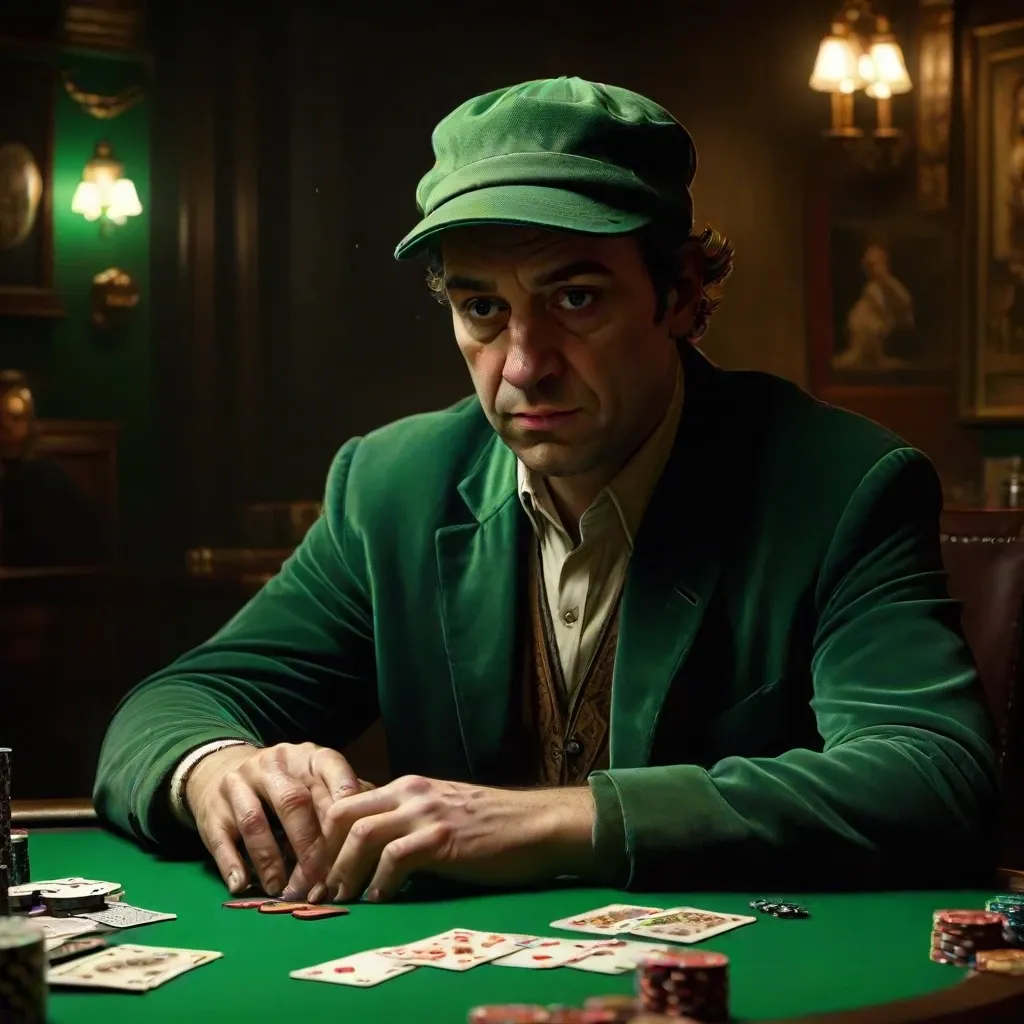
The Mindset of a Successful Gambler
Success in gambling extends far beyond luck; it hinges on a meticulously cultivated mindset. This mindset is characterized by unwavering discipline, robust emotional control, and, crucially, realistic expectations. Without these attributes, even the most strategically sound gambler is susceptible to pitfalls.
Discipline forms the bedrock. It’s about setting firm limits – win or loss – and adhering to them without deviation. It involves carefully selecting games based on skill and knowledge, not impulse. Furthermore, discipline demands meticulous record-keeping to analyze performance and identify areas for improvement.
Emotional control is the bulwark against the inevitable downswings. Gamblers must accept losses as an inherent part of the process, resisting the urge to chase losses or make rash decisions born from frustration. Cultivating risk tolerance involves understanding personal financial limitations and betting within a comfortable range. Avoiding “tilt” – the state of emotional distress that impairs judgment – is paramount; knowing when to step away and clear one’s head is a hallmark of responsible gambling.
Realistic expectations temper ambition with pragmatism. Viewing gambling as a potential source of supplemental income, rather than a path to instant riches, is crucial. A gambler understands the odds, acknowledges the house edge, and focuses on making informed decisions that, over time, incrementally increase the probability of success. The ability to walk away, regardless of short-term outcomes, defines the mindset of a truly successful gambler. Success isn’t about winning every time; it’s about consistent, informed decision-making that leads to positive long-term results.
Responsible Gambling Practices
Engaging in gambling should always be approached with caution and a strong sense of responsibility. It is crucial to establish personal limits on both time and money spent. Before you start, decide on a fixed budget you’re comfortable losing and stick to it. Similarly, set a specific time limit for your gambling activities and adhere to it strictly. Avoid chasing losses, as this can quickly lead to a dangerous cycle of increased spending and regret.
Recognizing potential problem gambling signs in yourself or others is also vital. These signs can include gambling with increasing amounts of money, lying about gambling activities, feeling restless or irritable when trying to cut down, and neglecting responsibilities due to gambling. If you or someone you know exhibits these behaviors, seeking help is essential.
Resources like Gamblers Anonymous and national helplines offer support and guidance for individuals struggling with problem gambling. Many gambling platforms also provide self-exclusion programs, allowing you to temporarily or permanently ban yourself from their services. Remember, responsible gambling is about maintaining control and ensuring that gambling remains a form of entertainment, not a source of harm.
Conclusion
So, is gambling all about luck? The answer, as we’ve explored, is a resounding no. While chance undeniably plays a role, dismissing the influence of skill and strategy is a grave miscalculation. Remember, even in games seemingly governed by pure chance, understanding probabilities, managing your bankroll, and recognizing patterns can tilt the odds ever so slightly in your favor.
This isn’t to suggest you can become a guaranteed winner – that’s the realm of fantasy. But by embracing a strategic mindset, diligently applying the techniques we’ve discussed, and committing to responsible gambling practices, you can demonstrably improve your outcomes. Think of it as transforming yourself from a passive recipient of fate to an active participant in your gambling journey.
Luck might open the door, but skill lets you walk through it with confidence. It’s time to put these strategies into action. Approach each game with a plan, stay disciplined, and always remember that responsible gambling is paramount. The power to influence your gambling destiny lies within your grasp. Wield it wisely, and may the odds be ever in your favor, not just by chance, but by choice.