
I’ve seen it countless times – the wide-eyed excitement turning to slumped shoulders and empty wallets. The casino floor is a vibrant tapestry of hope and despair, and, being honest, I’ve tasted my share of both. The allure is undeniable: the flashing lights, the clatter of chips, the promise of a big win. But beneath the surface of entertainment lies a minefield of potential pitfalls, traps that even seasoned gamblers can stumble into. This isn’t a theoretical guide based on dusty statistics; this is distilled wisdom gleaned from years spent observing (and occasionally participating in) the casino ecosystem. From simple errors in judgment to fundamental strategic flaws, players consistently make mistakes that hemorrhage their bankroll. Forget the “secrets” to guaranteed riches; this is about equipping you with the knowledge to navigate the casino landscape with your wits about you, to avoid the most common and costly errors, and to transform yourself from a casual gambler into a more informed, strategic, and ultimately, more successful player. These are the top 10 mistakes I’ve witnessed, and more importantly, how you can steer clear of them.
Mistake #1: Ignoring Bankroll Management
Diving headfirst into the casino without a clear plan for your money is like sailing without a compass – you’re almost guaranteed to get lost, and in this case, lose your shirt. Bankroll management isn’t just some fancy term; it’s the bedrock of responsible and potentially enjoyable gaming. It’s about understanding that gambling should be entertainment, not a high-stakes gamble with your financial well-being.
Before you even think about placing a bet, decide on a specific, non-negotiable gambling budget. This is money you’re completely okay with losing – money that won’t impact your rent, groceries, or other essential bills. Think of it as your entertainment allowance for the casino. Once you’ve set this budget, stick to it like glue. Several bankroll management strategies can help. Consider setting daily or weekly limits to prevent overspending. Some players find it helpful to use only a small percentage of their total bankroll per session, say 5% or 10%, to extend their playtime and weather any losing streaks.
Setting Realistic Limits
Let’s talk real numbers. Imagine you have $500 set aside for entertainment this month. A reasonable casino budget might be $100. Now, further break that down – perhaps $25 per visit. Sticking to this requires discipline, especially when the games are enticing. In my experience, setting these limits beforehand and even writing them down helps solidify your commitment. It transforms the abstract idea of “being responsible” into a concrete plan. Of course, this number can be adjusted based on income and comfort level, but the key is always: be realistic.
Pre-Determined Loss Amounts
Knowing when to walk away is as crucial as knowing how much to bring. Before even placing your first bet, decide on a loss limit – the amount at which you’ll absolutely stop playing, regardless of how the night is going. If your loss budget for the evening is $50, and you hit that mark, it’s time to cash out, even if you feel like you’re “due” for a win. Once, I ignored my pre-set limit, thinking one more spin would turn things around. It didn’t. I ended up chasing losses and leaving with a much lighter wallet. Learning from that painful experience, I now treat my loss limit as a solid wall – once I hit it, I turn around and walk away. This is not about being negative; it’s about protecting yourself and ensuring that gambling remains a fun and sustainable activity.
Mistake #2: Getting Emotional
Emotional decision-making is a slippery slope in the world of casinos and betting. Letting feelings like frustration, greed, or even overconfidence dictate actions often leads to impulsive bets and irrational choices that you’ll likely regret. Maintaining emotional control is paramount for consistent success. Casino psychology is a real thing; casinos are designed to evoke emotions, making it even more critical to stay grounded.
Think about it. Chasing losses out of frustration? That’s an emotional decision. Betting more than you can afford because you’re feeling lucky? Also emotional. To navigate the casino environment effectively, cultivate a sense of detachment and prioritize rational thinking. Effective stress management is a great tool here. Consider each bet as a calculated risk based on information, not a desperate attempt to recoup losses or chase a fleeting sense of euphoria.
Recognizing Tilt
Everyone experiences tilt – that frustrating feeling when things aren’t going your way and you feel like you’re losing control. Recognizing when you’re on tilt is the first step to mitigating its effects. Are you making increasingly aggressive bets? Are you feeling unusually angry or agitated? These are classic signs. When you recognize these feelings, it’s time to take a break. Step away from the game, grab a drink (non-alcoholic, of course!), or simply walk around. This break isn’t just about pausing the game; it’s about prioritizing your mental health. Even a short break can help you regain composure and return to the game with a clearer, more rational mindset. It might hurt to walk away from a potentially big jackpot but it hurts more to keep losing!
Avoid Triggering Situations
Certain situations or even specific games can be particularly triggering for some people. Identifying your personal triggers is crucial for avoiding unnecessary stress. Perhaps high-stakes poker games tend to make you anxious, or maybe you find yourself getting overly competitive with a particular player. Once you know your triggers, take proactive steps to avoid them. If a certain game is consistently causing you to feel angry or frustrated, simply walk away. There’s no shame in admitting that a particular situation isn’t conducive to your mental well-being. By employing effective anger management techniques and learning when to walk away, you’ll be able to calmly enjoy the casino experience!

Mistake #3: Chasing Losses
One of the most destructive patterns in gambling is chasing losses. It’s a siren song that lures many into deeper financial woes. The initial loss stings, triggering a desire to recoup the money as quickly as possible. This “revenge betting” mindset often leads to impulsive decisions, abandoning carefully planned strategies in favor of high-risk, high-reward bets. The gambler, fueled by emotion, increases their stakes, hoping for a quick turnaround. However, this rarely works out as intended. Instead, the gambler experiences increasingly larger losses, digging themselves into a deeper hole. The fear of losing more intensifies, compounding the problem. True discipline means acknowledging that losses are an inherent part of the game. Accepting losses, while difficult, is crucial for preserving capital and maintaining a rational approach. Sticking to a predetermined strategy, even after a setback, provides stability and prevents the emotional rollercoaster of chasing losses from taking over.
Recognizing Sunk Cost
The “sunk cost fallacy” plays a crucial role in the urge to chase losses. This cognitive bias leads individuals to continue investing in a losing proposition simply because they’ve already invested so much. In gambling, this translates to feeling compelled to keep betting in an attempt to recover previous losses. The gambler fixates on what has already been lost, rather than evaluating the current situation objectively. Recognizing that past losses are sunk costs – irretrievable and irrelevant to future decisions – is essential for breaking this cycle. Each bet should be evaluated on its own merits, independent of previous outcomes. Understanding and acknowledging the sunk cost fallacy is a vital step towards making rational gambling choices.
Set Stop-Loss Limits
A practical safeguard against chasing losses is setting stop-loss limits. A stop-loss limit is a predetermined amount of money that a gambler is willing to lose before stopping. This loss budget should be established before any bets are placed, acting as an emotional firewall. Once the limit is reached, the gambler must cease playing, regardless of the urge to continue. This requires discipline and self-control, but it is an essential component of responsible gambling. Treat the stop-loss limit as a non-negotiable boundary. It’s a tool that prevents emotions from dictating actions and protects against the devastating consequences of chasing losses. By implementing stop-loss limits, gamblers can maintain control and minimize potential financial harm.
Mistake #4: Playing Games They Don’t Understand
Diving headfirst into a casino game without understanding its intricacies is a surefire way to lighten your wallet faster than you can say “blackjack.” Gambling isn’t just about luck; it’s intertwined with strategy, probability, and understanding the specific rules of each game. Imagine trying to navigate a foreign city without a map or GPS – you might stumble upon something interesting, but you’re more likely to get lost and frustrated. The same principle applies to casino games. Knowledge is your compass, guiding you toward better decisions and, ultimately, a higher chance of winning.
Mastering the Basics
I remember the first time I sat down at a poker table. I’d seen it on TV, thought I understood the hand rankings, and jumped right in. Big mistake! I quickly learned that knowing the difference between a flush and a full house was just the tip of the iceberg. Real poker involved reading opponents, understanding betting patterns, and knowing when to hold ‘em and when to fold ‘em. The fundamentals matter. Without a solid grasp of these basics, you’re essentially throwing money away. The knowledge of rules leads to being a winner.
Practicing Before Playing
Fortunately, in today’s digital age, ignorance is a choice. Many online casinos offer demo versions of their games. Take advantage of these opportunities! Demo games allow you to experiment with different strategies, learn the game mechanics, and get a feel for the flow of the game without risking actual money. Think of it as a free training montage before the big fight. It’s a safe space to make mistakes, learn from them, and develop a winning strategy (or at least a less-losing one) before putting your hard-earned cash on the line. Demo games are your friend; use them wisely.
Mistake #5: Not Understanding the House Edge
Many gamblers walk into a casino without grasping a fundamental concept: the house edge. This isn’t some abstract idea; it’s the inherent mathematical advantage the casino holds in every game it offers. Think of it as the built-in profit margin for the house. Savvy players understand the house edge because it empowers them to make informed decisions, tilting the odds ever so slightly in their favor, even if luck still dances wildly in the equation.
For instance, slot machines can have a notoriously high house edge, sometimes reaching 10% or even higher. This means that, on average, for every $100 wagered, the casino expects to keep $10. Blackjack, when played with optimal strategy, can have a much lower house edge, sometimes dipping below 1%. Roulette varies wildly depending on whether it’s the American (with two zeros) or European (single zero) version; the latter offers a significantly better house edge.
Understanding these differences is crucial. You’re not eliminating risk – gambling always involves risk – but you’re choosing where to place your bets with a clearer picture of the potential long-term outcome.
Comparing Game Odds
When diving into the world of casino games, recognizing the odds is vital. Consider poker where skilled players compete. Though luck plays a role, understanding probabilities—like calculating pot odds or knowing when to bluff—can significantly shift advantages. Compare this to blackjack, where knowing basic strategy reduces the house edge, enabling knowledgeable decisions on hitting, standing, or doubling down.
Unlike games of reandom chance, which relies purely on chance, mastering these odds, allows you gain a competitive degree in any games and reduce the impact of sheer luck.
Focusing on Low House Edge
While luck remains a capricious mistress in gambling, strategically picking games with a lower house edge provides an advantage. It’s about lessening the disadvantage. Skill isn’t just about mastering complex strategies, it extends to identifying opportunities where the odds are less stacked against you. While no system guarantees wins, choosing games wisely increases longevity and enjoyment.
It’s about making educated choices, understanding each game’s subtle nuances, and maximizing your chances within the random chaos of chance.
Mistake #6: Believing in Superstitions
Many believe luck plays a significant role in achieving any goal. While a touch of serendipity can sometimes open doors, banking solely on superstitions instead of well-defined strategies is a common misstep. It’s essential to remember that luck is inherently random, and each event is independent of the ones that came before. Wearing a lucky shirt or performing a ritual might offer psychological comfort, but it doesn’t alter the underlying probabilities. The path to success lies in thoughtful planning, consistent effort, and adaptable tactics, not in chasing ephemeral notions of luck. While it can be tempting to attribute outcomes to external forces beyond control, focusing on elements that can be mastered and influenced is more likely to yield positive results.
Understanding Randomness
Truly random events are, by their nature, unpredictable and without pattern. What appears to be a streak of good or bad luck is often simply a manifestation of statistical probability. For every win, there is a chance of a loss. Even sophisticated machines using random number generators do not produce the same result twice because algorithms designed for true randomness ensure unpredictability. Understanding this inherent randomness is the first step in moving away from superstitious beliefs and embracing a more grounded approach.
Relying On Strategy
Strategy, on the other hand, is built upon analysis, planning, and execution. It involves understanding the playing field, assessing your strengths and weaknesses, and developing a roadmap to achieve your objectives. When one focuses on a well-thought strategy, beliefs or superstitions will not be needed. There is a sense of control and focus on what can be influenced directly. This proactive approach not only increases your chances of success but also fosters a sense of resilience and adaptability when faced with inevitable challenges.
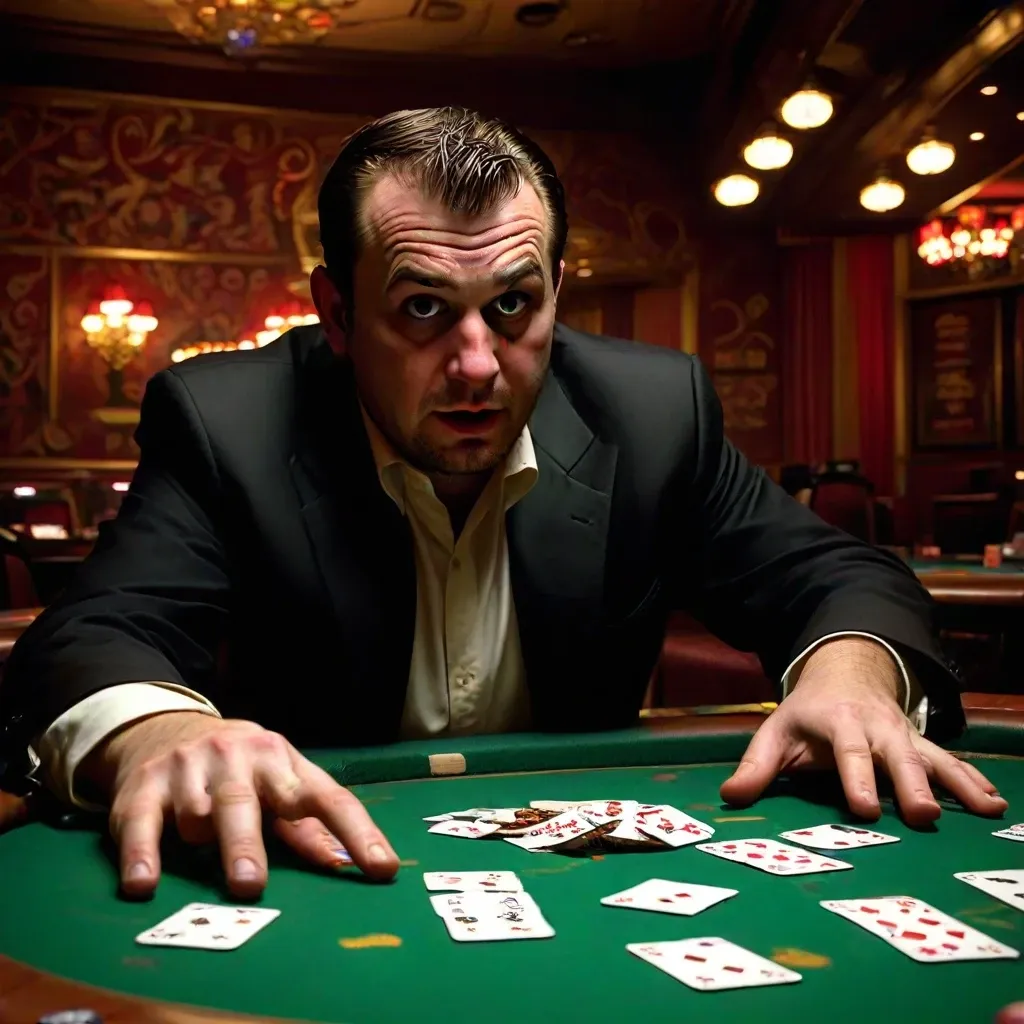
Mistake #7: Playing Without a Strategy
Entering a casino without a well-defined strategy is akin to navigating uncharted waters without a compass. It’s a gamble stacked upon a gamble. The allure of flashing lights and the promise of quick wins can easily cloud judgment, leading to impulsive decisions and, ultimately, financial regrets. Before even setting foot inside, take the time to formulate clear tactics. Determine your budget, the games you’ll play, and the duration of your visit. This isn’t about stifling spontaneity; it’s about grounding yourself in a framework that minimizes risk and maximizes your enjoyment. Think of it as building a safety net beneath your high-wire act. A strategy provides boundaries, keeps you focused, and allows you to approach the casino experience with purpose rather than reckless abandon.
Research Effective Tactics
Before diving in, dedicate time to researching effective tactics for your chosen games. Understand the odds, learn basic strategies like card counting in blackjack (if allowed and you’re skilled), or grasp the nuances of different poker hands. Knowing when to hold, when to fold, and when to raise can significantly improve your chances of winning or, at the very least, mitigate potential losses. Remember, knowledge is power. The more you understand the game, the better equipped you are to make informed decisions, turning you from a passive player into an active participant who understands the risk and how to manage it.
Stick To Designed Strategy
Creating a comprehensive strategy is only half the battle. The true test lies in adhering to it amidst the casino’s captivating atmosphere. It’s easy to be swayed by the thrill of the moment, but the point of having a plan is to stick to it. If your strategy dictates a budget of $100, resist the urge to dip into your savings when losses mount. If your plan involves playing only blackjack, avoid getting distracted by the flashing lights of the slot machines. Emotional discipline is key. View your strategy as your anchor, providing stability and preventing you from being swept away by the unpredictable currents of the casino floor. The best-laid plans are useless if abandoned at the first sign of turbulence.
Mistake #8: Drinking Too Much
Casinos are masters of creating an environment where inhibitions melt away. Free drinks flow, the music pulses, and suddenly, that voice of reason in your head gets a whole lot quieter. This is a HUGE mistake. Alcohol and gambling are a disastrous cocktail, and not the fun kind. It impairs your judgment faster than you can say “double down.” One minute you’re carefully calculating your bets, the next you’re convinced you’re a poker prodigy destined to win big, and those $100 chips start looking a lot like spare change. Speaking from experience, chasing losses while tipsy rarely ends well. If you want to keep control of your money, staying sober is not only advisable, it’s essential.
Staying Sober
The benefits of hitting the casino sober are pretty obvious. It’s about maintaining a sharp focus and enhancing your decision-making. Without the haze of alcohol clouding your thoughts, you’re better equipped to stick to your budget, recognize when it’s time to walk away, and actually enjoy the games for what they are – entertainment. You will find yourself making better choices so you can play longer with the money you brought.
Setting Drink Limits
Look, I get it. You’re on vacation, or it’s a special occasion. You want to enjoy a few drinks. If you absolutely must indulge, setting a strict limit beforehand is crucial. Decide how many drinks you’ll havebefore* you even step foot in the casino, and stick to it religiously. Space them out, drink plenty of water in between, and don’t let the free-flowing booze turn into a financial free-fall. Control is absolutely necessary, especially when money is involved.
Mistake #9: Not Taking Advantage of Bonuses and Comps
Many casino-goers leave money on the table simply by ignoring bonuses and comps. These aren’t just freebies; they’re strategic tools the casino offers that, if used wisely, can significantly boost your bankroll and extend your playtime. Casino bonuses and comps are designed to encourage play, but smart players know how to leverage them to their advantage. They represent added value and opportunities to increase winning potential that novice players often overlook.
Casino comps can influence the overall gambling experience. Things like free meals, hotel stays, or show tickets might not seem directly related to winning, but they reduce your overall expenses, freeing up more of your budget for playing. This allows for more extended sessions at the table or slots, ultimately increasing the chances of hitting a winning streak.
Maximizing Rewards Programs
To truly maximize your rewards, dive deep into understanding the casino’s specific loyalty program. Casinos roll out the red carpet with exciting offers linked to accumulating points or playing during specific periods. Some casinos might offer double points on slots during weekdays, while others may provide bonus credits for reaching a certain spending threshold. By strategically timing your visits and focusing on games that offer higher reward points, you can rapidly accumulate comps and maximize profits.
Understanding Terms and Conditions
Before diving headfirst into a bonus, scrutinize the fine print. Terms and conditions can dramatically affect your bonus. Wagering requirements, game restrictions, and time limitations are all common stipulations that could affect your bonus. Wagering requirements dictate how much you need to bet before you can withdraw any winnings earned from the bonus. Game restrictions might limit bonus play to specific slots or table games. Make sure you understand the casino conditions since misunderstanding them can lead to frustration and the forfeiture of winnings.
Mistake #10: Not Knowing When to Stop
One of the most valuable, yet often overlooked, strategies in gambling is recognizing the opportune moment to quit. It’s about more than just avoiding losses; it’s about maximizing profits and protecting your bankroll. Many players get caught in the excitement, chasing bigger wins or trying to recoup losses, ultimately jeopardizing what they’ve already gained. The ability to walk away a winner, instead of giving back your profits, is a hallmark of a disciplined and successful gambler. Understanding when to stop involves a combination of pre-planning, self-awareness, and the ability to resist the allure of “just one more” try.
Pre-Planned Win Amounts
Before even placing a bet, establish a clear profit target. This pre-planned win amount acts as your personal finish line. Reaching this target signals that it’s time to cash out and celebrate your success. The amount should be realistic and based on your bankroll and risk tolerance, not on unrealistic hopes of hitting a massive jackpot. Sticking to your pre-planned win can significantly improve your win/loss ratio. This prevents emotional decision and wild bets that can quickly erode your winnings. Treat it like a job with a set salary.
Securing All Winnings
Once you reach your pre-determined win amount — secure your winnings immediately. This means physically separating your profits from your original bankroll. Some players move the won money to a different pocket, or even end the session. This prevents you from impulsively reinvesting your profits and giving them back to the house. Consider it a strategic move to maximize profits and protect your money. Securing winnings isn’t just about physical separation; it’s also a mental commitment to walk away a winner, reinforcing discipline and preventing regret.